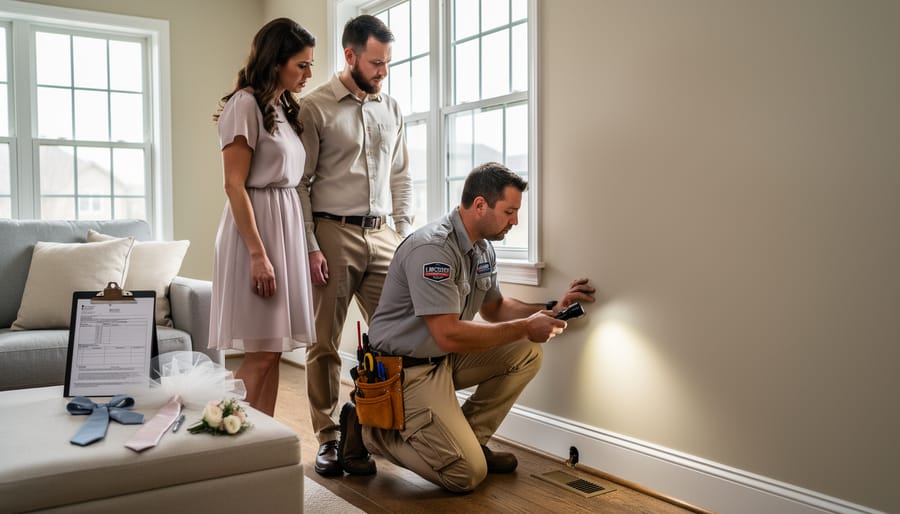
Picture this: you’re knee-deep in seating charts and cake tastings when your real estate agent calls with news that termites, mice, or cockroaches just turned up during your home inspection. Before panic sets in, here’s what you need to know right away. Most pest discoveries can be resolved within two to four weeks without derailing your closing date or your walk down the aisle. The key is acting fast and understanding which issues require immediate professional intervention versus simple negotiation with the seller.
Your first move? Get a licensed pest control operator to assess the scope within 48 hours. This report tells you whether you’re dealing with active damage requiring structural repairs (which can push closing back 30 to 60 days) or a minor infestation the seller can remediate before settlement. For rodent problems specifically, many sellers will agree to professional extermination and sealing entry points as part of the sale terms, sometimes even allowing you to proceed or sell a house with a rat infestation disclosure in place.
The reality is that 30% of home inspections in 2026 uncover some form of pest evidence. You’re not alone, and this doesn’t have to mean choosing between your dream home and your wedding day. What matters now is separating the fixable from the deal-breakers and building a timeline that honors both your homeownership goals and your celebration.
In the sections ahead, you’ll learn exactly how to spot which pest surprises are genuine red flags, what causes inspectors to flag these issues, and the precise steps to negotiate repairs or walk away without losing your deposit. You’ll also discover how other couples navigated this exact crisis while keeping their wedding plans intact.
Recognizing the Warning Signs: When Pest Problems Surface

Common Inspection Discoveries That Halt Sales
When your inspector emails the report that stops the sale in its tracks, it’s usually one of four culprits causing the holdup. Understanding what inspectors find, and why these discoveries matter so much, helps you respond strategically rather than panic.
Termites top the list of deal-breaking discoveries. These silent destroyers tunnel through wooden structures for years before anyone notices, and by inspection time, they’ve often caused thousands of dollars in hidden damage to floor joists, wall studs, or roof supports. A single termite colony can consume over a pound of wood per day, and lenders typically refuse to approve mortgages until the infestation is eliminated and structural repairs are completed.
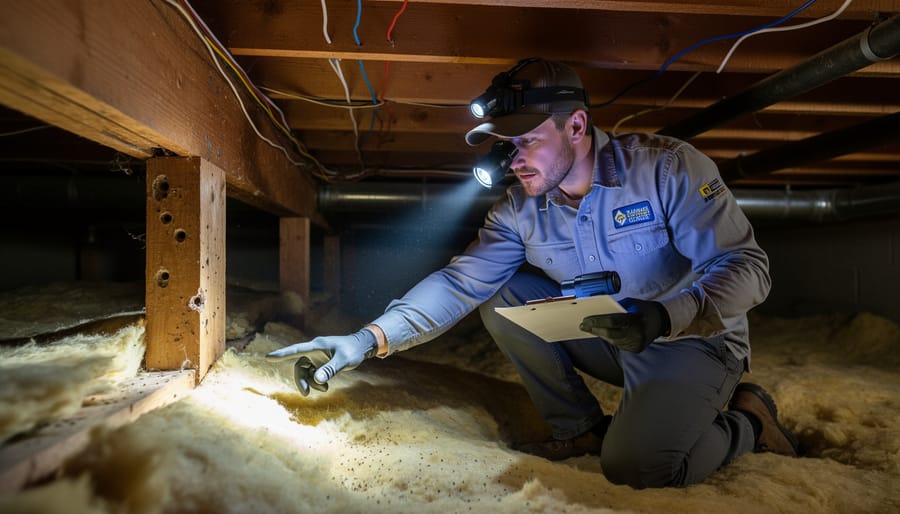
Carpenter ants create similar problems but with different warning signs. Unlike termites that eat wood, carpenter ants excavate it to build nests, leaving behind distinctive piles of sawdust-like debris called frass. Inspectors spot these telltale signs in attics, crawl spaces, and wall voids, and the presence of an active colony signals moisture problems that made the wood attractive in the first place.
Here’s what inspectors most commonly flag:
- Active termite infestations with visible mud tubes or live insects (critical severity, immediate treatment required)
- Carpenter ant colonies with frass deposits and hollowed wood (high severity, structural assessment needed)
- Rodent evidence including droppings, gnawed wiring, and entry holes (moderate to high severity, health and fire hazards)
- Wood-boring beetle damage with exit holes and powdery residue (severity depends on extent and species)
- Evidence of previous infestations without proof of professional treatment (moderate severity, verification required)
Rodents represent a different category of problem. Mouse or rat droppings in the attic, chewed electrical wiring in the basement, or entry holes around the foundation signal active infestation. Beyond the obvious disgust factor, rodents create genuine safety hazards, gnawed wiring causes house fires, and their waste carries diseases. Insurance companies often delay coverage until proof of elimination and sanitation.
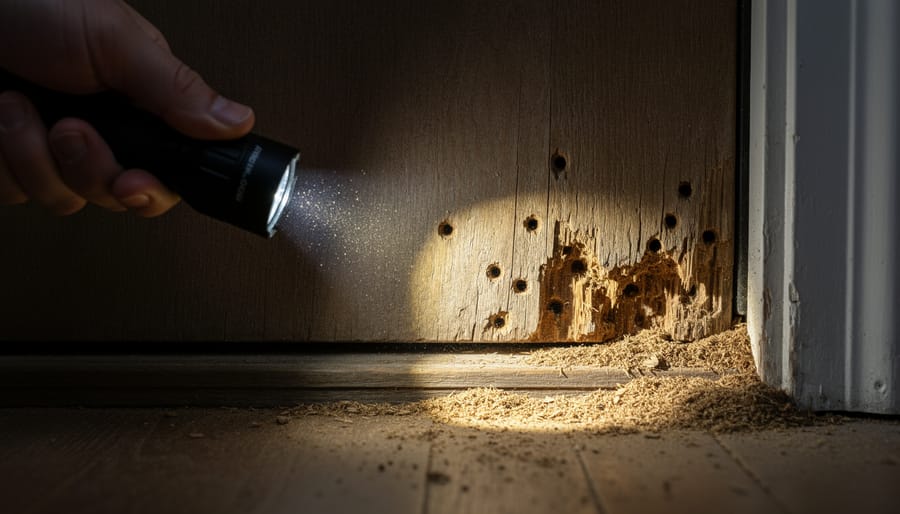
Wood-boring beetles operate slowly but leave unmistakable evidence. Those tiny round exit holes in hardwood floors or exposed beams, accompanied by fine powder, indicate beetles completed their life cycle inside your would-be home. Some species like powderpost beetles remain active for generations, continuously weakening structural wood. The tricky part? Determining whether the infestation is active or historic requires expert assessment, and that uncertainty alone can freeze a sale while everyone waits for answers.
Each discovery triggers the same cascade: the inspection report flags the problem, your lender requests verification of treatment and repairs, the seller either agrees to remediate or refuses, and your closing date evaporates while negotiations drag on. The severity of the infestation, the extent of resulting damage, and the cost of professional treatment all determine whether your dream home remains within reach or becomes someone else’s problem.
The Emotional Impact on Engaged Couples
Planning a wedding already ranks among life’s most stressful events. When a pest infestation suddenly threatens your home purchase, the compounded pressure can feel overwhelming. Many engaged couples describe this scenario as a perfect storm, where financial anxiety about the house collides with emotional exhaustion from wedding decisions.
Sarah and Michael encountered this crisis three months before their September wedding. Their home inspection revealed extensive termite damage, requiring $12,000 in treatment and repairs. “We were choosing centerpieces one day and negotiating pest remediation the next,” Sarah recalls. “I couldn’t focus on my dress fitting because I was texting our realtor about inspection deadlines.” The couple found themselves handling wedding stress alongside home-buying crises, often questioning whether they could manage both simultaneously.
This dual burden creates unique tensions between partners. One person might want to walk away from the house entirely, while the other insists on fighting for it. These disagreements surface during what should be a joyful engagement period, testing communication skills that newlyweds are still developing.
Why Pest Problems Derail House Sales
Lender and Insurance Requirements
Most mortgage lenders won’t approve your loan until active pest problems are resolved, and the timing couldn’t feel worse when you’re juggling wedding RSVPs and vendor deposits. FHA loans specifically require clearance from wood-destroying insect evidence before closing, meaning you’ll need a licensed exterminator’s certification that the property is free from active termites, carpenter ants, and other wood-damaging pests. Conventional loans often follow similar standards, though requirements vary by lender and property location.
Insurance companies take pest problems just as seriously. If your inspection reveals termite damage or rodent infestations, homeowners insurance providers may delay coverage approval until treatment is complete and repairs are documented. Some insurers exclude pest-related damage from standard policies altogether, meaning you could face significant out-of-pocket costs if structural problems emerge after closing. Your insurance agent will likely request the pest inspection report before finalizing your policy, and any active infestations or untreated damage can trigger coverage denials or premium increases.
This double hurdle means you can’t simply close on your dream home and deal with pests later, both your lender and insurer need proof the problem is handled before you get keys and coverage.
Financial Implications for Buyers and Sellers
Pest discoveries can quickly escalate from a few hundred dollars to tens of thousands, depending on severity. Termite treatment alone runs $1,200 to $2,500 for a typical home, but structural damage repair can add $3,000 to $8,000 or more. Carpenter ant remediation costs $250 to $800, while rodent control averages $300 to $600, plus potential electrical and insulation repairs that reach $1,500 to $5,000.
| Pest Type | Treatment Cost | Potential Repair Cost | Timeline Impact |
|---|---|---|---|
| Termites (active) | $1,200, $2,500 | $3,000, $8,000+ | 3-6 weeks |
| Carpenter ants | $250, $800 | $500, $2,000 | 2-4 weeks |
| Rodents | $300, $600 | $1,500, $5,000 | 1-3 weeks |
| Wood-boring beetles | $1,500, $4,000 | $2,000, $6,000 | 4-8 weeks |
Re-inspection fees add another $75 to $150 per visit. Who pays becomes the real sticking point. Sellers resist covering extensive repairs when they’ve already accepted an offer. Buyers balk at absorbing costs for pre-existing damage they didn’t cause. When neither party budges, deals collapse, leaving engaged couples scrambling to find new housing weeks before their wedding. The financial uncertainty makes it nearly impossible to finalize honeymoon budgets or coordinate move-in dates with vendor deliveries.
How to Navigate Pest Discoveries Without Losing Your Dream Home or Wedding Sanity
Immediate Actions After the Inspection Report
The moment you receive an inspection report flagging pest issues, take a deep breath and resist the urge to panic or make hasty decisions. The next 48 to 72 hours are crucial for gathering information and understanding your options.
Start by scheduling a consultation with a licensed pest control specialist within 24 hours. Bring the inspection report and ask for a detailed assessment of the infestation’s severity, recommended treatment plan, and realistic cost estimates. Many companies offer free evaluations. Getting a second opinion from another pest control company provides comparison points and confirms whether the initial findings are accurate.
Simultaneously, contact your real estate agent to review your purchase contract. Most agreements include an inspection contingency that gives you specific timeframes to request repairs, renegotiate, or walk away without penalty. Understanding these deadlines is essential because missing them could cost you thousands or trap you in an unfavorable deal.
Request copies of any previous pest inspection reports the seller may have. Sellers are legally required to disclose known pest problems in most states, and prior reports can reveal whether this is a new discovery or an ongoing issue they failed to address.
Finally, reach out to your mortgage lender. Some loan programs won’t approve financing until pest issues are resolved and certified clear, which affects your closing timeline and potentially your wedding planning schedule.
Negotiating Repairs and Treatment
Once you’ve gathered treatment quotes and consulted your agent, you’ll enter the negotiation phase, arguably the most nerve-wracking part of this process. Your primary options are requesting the seller handle all pest treatment and repairs before closing, asking for a credit toward closing costs that you can apply to post-purchase remediation, or negotiating a purchase price reduction equal to the estimated treatment cost.
The strongest approach is typically asking sellers to complete professional treatment before closing, since this ensures the work meets lender requirements and protects you from contractor disputes. However, sellers sometimes resist this option if treatment timelines conflict with their own moving plans.
A closing cost credit offers flexibility, you choose your own pest control company and can often bundle treatment with other home improvements. This works best when your lender and insurance company approve it, which isn’t guaranteed with active infestations.
Price reductions appeal to cash buyers or those with substantial down payments, but remember that mortgage lenders often still require pest-free certification regardless of price adjustments.
Present your request professionally, backed by licensed pest control estimates and inspection documentation. Frame the conversation around mutual goals: a successful closing that satisfies lender requirements. Most sellers understand that unresolved pest problems will resurface with the next buyer, making reasonable accommodation the practical choice for everyone involved.
Adjusting Your Wedding and Move-In Timeline
When pest remediation pushes your closing date into uncertainty, immediate communication becomes your strongest tool. Contact your wedding planner or coordinator first, they can help you assess which vendors need notification and what flexibility exists in your contracts. Review your wedding vendor contracts for force majeure clauses or change-of-address provisions that might protect you from fees.
For guests, send a brief update through your wedding website rather than individual messages. A simple note explaining you’re finalizing your new address works without oversharing home-buying stress. Hold off printing programs or place cards until your closing date firms up, digital alternatives give you breathing room.
Build buffer time into your move-in plans. If your wedding falls two weeks after your hoped-for closing, arrange temporary housing or negotiate a rent-back agreement with the seller. This prevents the nightmare scenario of moving boxes and centerpieces simultaneously. Stay flexible with detail tasks like when you buy wedding rings or finalize seating charts, these wedding timeline tips preserve your sanity when house schedules shift beneath you.
Preventing Future Pest Surprises in Your New Home

Setting Up Annual Inspection Schedules
Just as you’ll establish new routines as a married couple, date nights, grocery shopping, holiday traditions, adding annual pest inspections to your homeownership calendar creates a protective habit that becomes second nature. Schedule your first professional inspection for late spring or early summer when pest activity peaks and problems are easiest to spot before they escalate.
Most pest control companies offer annual service agreements that include scheduled inspections and preventive treatments, typically ranging from $300-$600 yearly depending on your home’s size and location. Mark these appointments in your shared calendar app alongside anniversaries and birthdays, they’re just as important for protecting your investment. Consider bundling your pest inspection with other annual home maintenance tasks like HVAC servicing and gutter cleaning for stress-free planning.
If budget is tight in your newlywed years, prioritize inspections during your home’s vulnerable seasons: inspect for termites every spring, check for rodent entry points each fall before temperatures drop, and do a visual walk-around quarterly. Document each inspection with photos and notes, creating a home health record that’ll prove invaluable if you ever need to file insurance claims or demonstrate proper maintenance when selling.
Creating a Pest-Resistant Home Environment
Once you’ve closed on your home and settled in after the wedding, simple maintenance habits will keep pests at bay. Start with your kitchen: store dry goods like flour, sugar, and cereal in airtight containers rather than original packaging. Wipe down counters after cooking and sweep up crumbs daily. Take out garbage regularly and keep bins with tight-fitting lids.
Outside, trim tree branches and shrubs so they don’t touch your home’s exterior, these create highways for ants, spiders, and rodents. Keep firewood stacked at least 20 feet from the house and elevated off the ground. Clean gutters twice yearly to prevent water accumulation that attracts mosquitoes and termites.
Seal entry points by checking for gaps around windows, doors, utility pipes, and foundation cracks. Apply weatherstripping where needed and use caulk for smaller openings. Fix leaky faucets and pipes promptly, since moisture draws cockroaches and silverfish.
In your basement or garage, reduce clutter where pests hide. Store items in plastic bins rather than cardboard boxes, which rodents chew through and roaches nest in. These straightforward habits protect your investment without requiring professional intervention.
Real Couples Who Overcame Inspection Obstacles
Sarah and Michael’s story might sound familiar to many couples navigating the home-buying journey. Three months before their October wedding, their dream Victorian fixer-upper in Portland came back with a shocking inspection report: active carpenter ant colonies in the attic beams and evidence of past termite damage. Rather than walking away, they negotiated a $12,000 credit at closing, hired a reputable exterminator before the wedding, and scheduled structural repairs for their honeymoon week while Sarah’s parents supervised. They closed two weeks before the wedding and moved in immediately after returning from Bali.
Jessica and Tom faced an even tighter timeline when their Denver inspection revealed a rodent infestation in the crawl space just six weeks before their wedding date. Their real estate agent connected them with a pest control company offering emergency service. The seller agreed to pay for treatment and seal all entry points. Jessica admits she cried in the car after the inspection, certain their plans would collapse. Instead, they treated it like wedding planning itself: they made a checklist, delegated tasks to their agent and contractor, and focused on what they could control. The house closed on schedule, and they hosted a small welcome party there before the ceremony.
Even Blake Lively and Ryan Reynolds encountered renovation surprises at their Bedford, New York estate, though pest issues weren’t publicly detailed. Their experience shows that unexpected home problems affect couples at every level. What matters is teamwork, clear communication with professionals, and remembering that these obstacles become funny stories later.
Common Questions About Home Inspections and Pest Problems
When pest problems surface during a home inspection, engaged couples naturally have urgent questions about liability, costs, and next steps. Understanding the answers helps you make informed decisions without derailing your home purchase or wedding timeline.
Who is responsible for paying for pest treatment and repairs?
Responsibility depends on your purchase contract and negotiation outcomes. In most cases, sellers can choose to pay for treatment before closing, offer a credit toward closing costs, or reduce the purchase price to compensate you for handling it after closing.
Should we walk away from the house if the inspection reveals termites?
Not necessarily. Termite problems are common and treatable, especially if caught early. Focus on the severity of the damage, the cost of treatment and repairs, and whether the seller is willing to address the issue. Many successful home purchases involve pest treatment as part of the closing process.
How long will pest treatment delay our closing date?
Timeline varies by pest type and treatment method. Minor termite treatments may add 2-3 weeks for application and clearance certification, while extensive fumigation can push closing back 4-6 weeks. Discuss timing with the pest control company and your lender immediately after receiving the inspection report.
Are sellers legally required to disclose known pest problems?
Yes, in most states sellers must disclose known pest infestations or previous damage. If they fail to disclose issues they were aware of, you may have legal recourse after purchase, though prevention through thorough inspection is always preferable.
Remember that pest discoveries, while stressful, happen frequently in real estate transactions. Your real estate agent has likely navigated dozens of similar situations and can guide you through negotiation strategies specific to your market. The key is responding quickly once you receive the inspection report, getting multiple treatment quotes, and maintaining open communication with your partner about priorities. Some couples choose to be flexible on closing dates to secure treatment, while others negotiate financial concessions and handle the issue after moving in. There is no single right answer, the best path forward depends on the severity of the infestation, your wedding timeline, your financial flexibility, and how much you love the property. Keep perspective that this temporary obstacle is manageable and that countless couples before you have successfully purchased homes despite pest-related inspection surprises.
How to Fix It Step by Step
When pest problems surface during your home inspection, follow these steps to resolve the issue without derailing your house purchase or wedding timeline:
Step 1: Request a specialized pest inspection within 24-48 hours. General home inspectors spot signs of infestation, but licensed pest control professionals determine the extent, species, and treatment requirements that lenders need documented.
Step 2: Obtain three written treatment quotes with timeline estimates. Compare licensed exterminators’ proposals for cost, methods, warranty coverage, and completion dates. Share these with your real estate agent before negotiations begin.
Step 3: Review your purchase contract’s inspection contingency period. You typically have 7-14 days to renegotiate or withdraw your offer without penalty. Know your deadline before entering discussions with the seller.
Step 4: Submit a formal request for seller remediation or credit. Ask the seller to either complete treatment before closing or provide a credit equal to the highest treatment quote plus 10% for contingencies.
Step 5: If the seller refuses, decide whether to proceed, withdraw, or split costs. Weigh the home’s overall value against treatment expenses and your wedding budget constraints before making this final decision.
Discovering pest issues during your home inspection feels overwhelming, especially when you’re juggling venue deposits and guest lists. But here’s the truth: thousands of engaged couples navigate this exact situation every year and come out the other side with both their dream home and their wedding intact. The pest problems you’re facing today are temporary obstacles with clear solutions, not relationship tests or signs you’ve made a wrong choice.
What matters most right now is how you and your partner communicate through this challenge. The couples who handle inspection surprises best are the ones who divide responsibilities, lean on their real estate professionals, and keep perspective about what truly matters. Years from now, the termite treatment you negotiated will be a footnote in your home’s story, but the way you worked together to solve it becomes part of your foundation as a married couple.
You’ve already proven your ability to plan, coordinate, and make big decisions together through your wedding planning. Apply that same teamwork to this home-buying hiccup. Trust the professionals you’ve hired, ask questions when something feels unclear, and remember that a short delay or unexpected expense doesn’t diminish the home you’re building or the marriage you’re about to start. You’re more resilient than you think, and this challenge is just preparing you for the problem-solving partnership that makes a house a home and a wedding day the beginning of something lasting.